
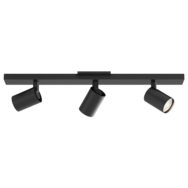
The rise of architechture lighting
The architectural design industry has undergone a radical transformation over the last few years, largely driven by technological advances. Tools, such as computer-aided design (CAD) and 3D printing, have revolutionized the way we approach the design process, particularly in commercial lighting applications.
As digital innovation continues to propel the industry forward, one of the most exciting technologies to appear is extended reality (XR). This clever technology blurs the lines between physical and digital worlds for a process that seamlessly slips between the two, taking architectural lighting projects from conception to completion in an entirely new way.
This isn’t a small shift, either, with the global XR market expected to grow from $46 billion in 2025 to over $75 billion by 2030. It won’t be surprising if, in this time, XR becomes standard technology across architectural lighting design.